
01
Child dental check-up
A calm review of teeth, gums, bite development and brushing habits, adapted to the child's age.
Children
Dental visits that build confidence. Kids dental visits should feel calm and easy to understand, helping children build trust while parents get practical prevention advice. Available for patients in Varanasi after a clinical assessment.
Treatment suitability is confirmed after a clinical assessment.
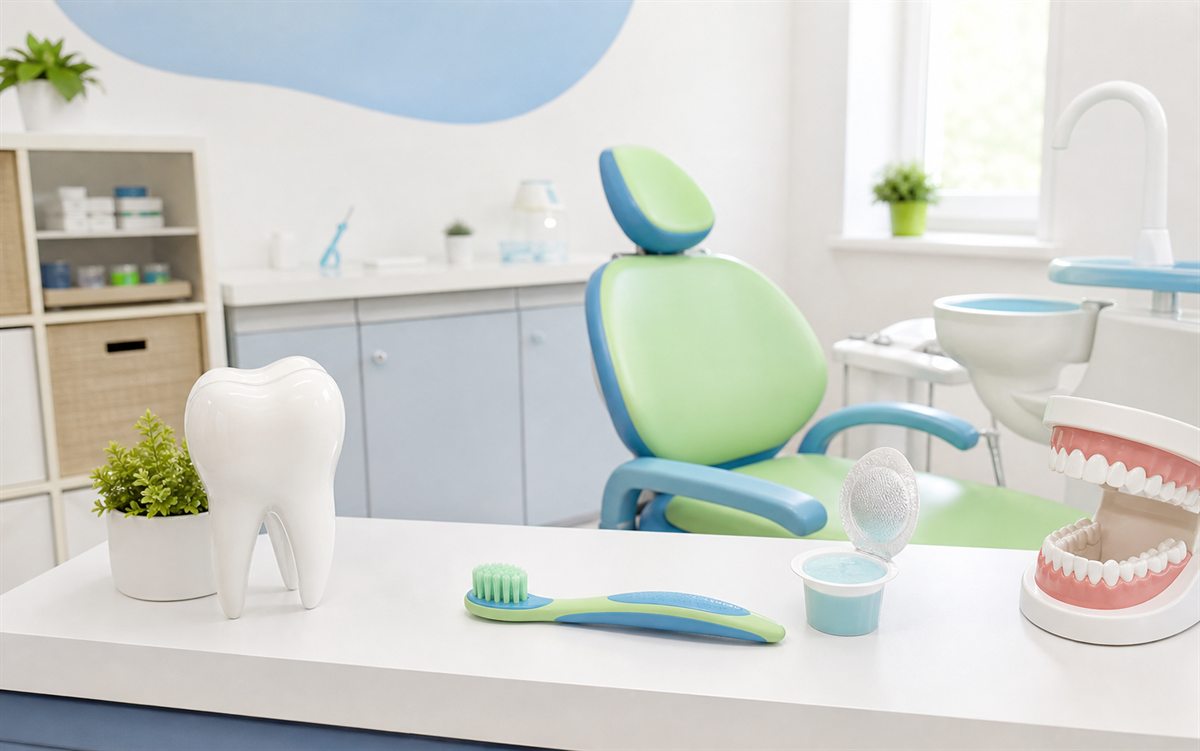
Calm introduction
Early visits focus on familiarity and confidence.
Parent guidance
Advice covers brushing, diet, fluoride and habits at home.
Prevention first
Small preventive steps can reduce future treatment needs.
Treatment options
The services below are selected according to your symptoms, oral health, goals and clinical suitability.
A calm review of teeth, gums, bite development and brushing habits, adapted to the child's age.
Fluoride varnish can support enamel strength where recommended after risk assessment.
Selected permanent molars may be sealed to protect deep grooves from plaque and food trapping.
Parents receive practical guidance on snacks, drinks, toothpaste amount and tricky cleaning areas.
When treatment is needed, options are explained clearly and kept as calm and child-friendly as possible.
Pain, trauma, swelling or broken teeth are assessed with reassurance and clear next steps.
Questions before booking
General guidance only. A dentist can advise properly after assessing your mouth and health history.
Children should usually visit when their first teeth appear or by around their first birthday, then follow dentist advice.
Keep the explanation simple, positive and honest. Tell the clinic team about anxiety before the visit so the appointment can be adapted.
Yes. Baby teeth help eating, speech, spacing and comfort, and decay can affect a child's wellbeing.
Call or WhatsApp the clinic for advice. Pain, swelling or trauma should be assessed promptly.
Who benefits?
If any of these sound familiar, a consultation can help you understand the safest next step.
Your visit
Each stage is designed to make the diagnosis, choices and tradeoffs easier to understand.
Listen first
We begin with your symptoms, priorities, medical history and any previous dental experiences that affect care.
Assess carefully
The dentist checks the relevant teeth, gums, bite and supporting tissues before recommending treatment.
Explain options
You receive a plain-English explanation of benefits, risks, alternatives, timing and likely maintenance.
Plan the next step
If treatment is suitable, the visit ends with a clear plan and realistic expectations before you decide.